Sales Strategy

Client follow-up in 2026: why 80% of sales happen after the first contact

A widely cited sales study made it official: 80% of sales close between the 5th and the 12th contact with a prospect. And yet, more than 48% of salespeople give up after a single follow-up. The gap is huge — and that's exactly where your team's revenue potential is hidden.

In a saturated market where the average prospect receives 121 emails a day, the first contact is no longer about selling. It's about existing in the prospect's memory. Follow-up — methodical, relevant, spaced intelligently — is what turns a lukewarm lead into a signed contract.

Why your first meeting is never enough

When a prospect meets you for the first time, three things happen at once:

  • They evaluate, they don't decide. The human brain needs several exposures to an offer before considering it credible. This is the mere-exposure effect, validated in social psychology since Zajonc (1968).
  • They compare in silence. You're almost never the only voice consulted. Without follow-up, you leave the field open to competitors.
  • They have other priorities. Your 30-minute pitch fades in 48 hours unless something rekindles the conversation.

Follow-up is therefore not politeness. It's the logical continuation of the sales process — the only way to stay top of mind without becoming pushy.

The rule of 7 touchpoints: why so many teams ignore it

In B2B, the average number of interactions needed to close a complex sale ranges from 6 to 8. That number hasn't moved in ten years. What's changed is the channels: email, LinkedIn, WhatsApp, calls, personalized video. More channels mean more opportunity, but also more complexity to orchestrate.

So why do so few teams structure their sequences?

  • No visibility on conversation history (each rep follows up 'by feel')
  • No shared standard: one agent follows up after 3 days, another after 3 weeks
  • Plain forgetting — no human can track 60 active prospects in parallel

The 4 pillars of a converting follow-up

1. The right timing, calculated scientifically

Too early = perceived harassment. Too late = forgotten. The optimal window depends on your market's buying cycle. For deals between $5K and $50K, count D+2, D+7, D+14, D+30. For shorter transactional cycles, D+1 and D+3 are enough.

2. The right channel, chosen by context

A prospect who spoke to you via WhatsApp doesn't expect a formal email follow-up. Stick to the initial channel unless there's a strategic reason to switch (e.g. moving to email for a written proposal).

3. The right content, that delivers value

Ban the 'just checking in'. Every follow-up must bring something: a relevant article, a similar case study, an answer to a previous objection, a market data point. Follow-up is a sales act, not a memory act.

4. The trace, kept and leveraged

Without a trace, you forget. Without leverage, you don't improve. A good client follow-up tool must show you at a glance: who hasn't been contacted in 14 days, which recurring objections your team faces, and which channels convert best.

The average salesperson follows up 1.3 times. The top 20% follows up 5.7 times. The revenue difference between the two is 4.2x.

How KOLO turns this discipline into an automatic reflex

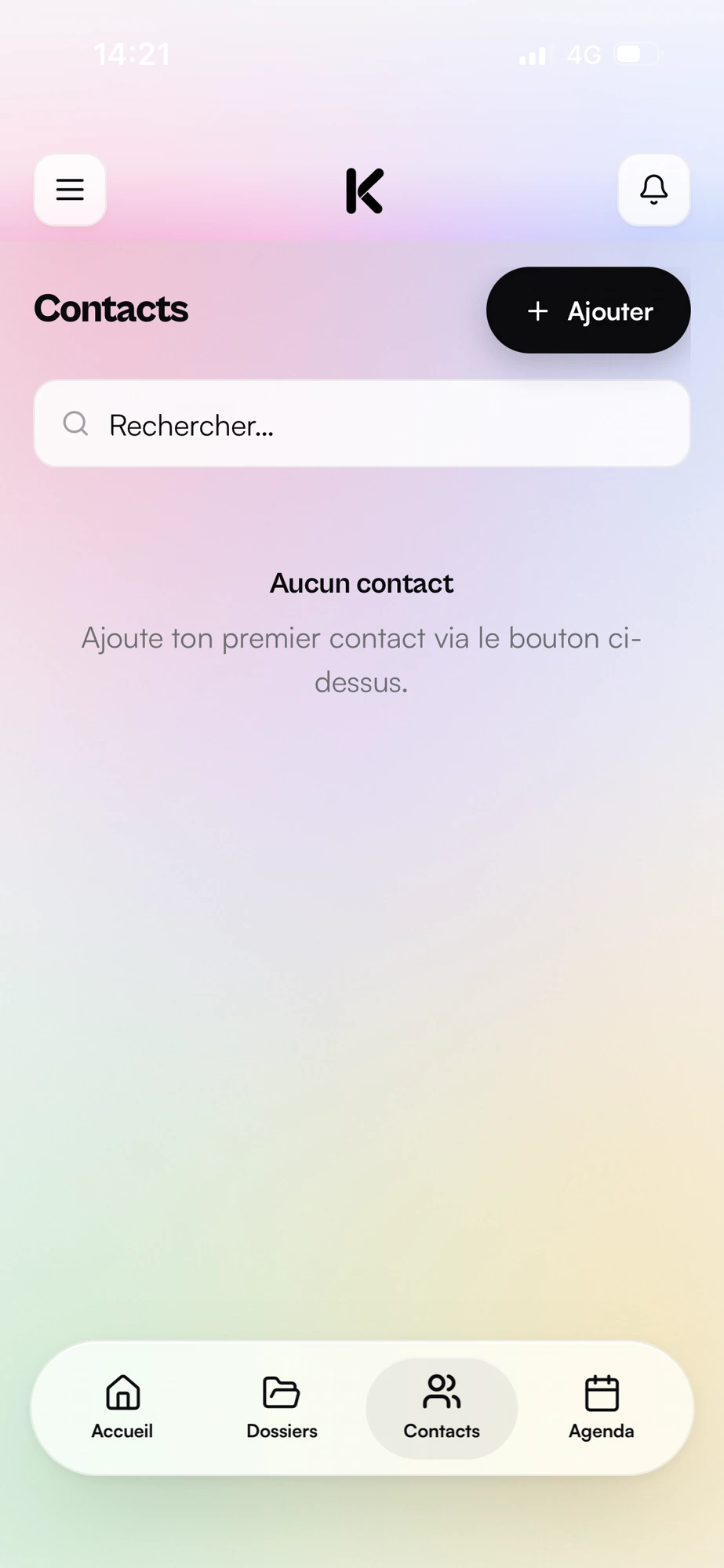
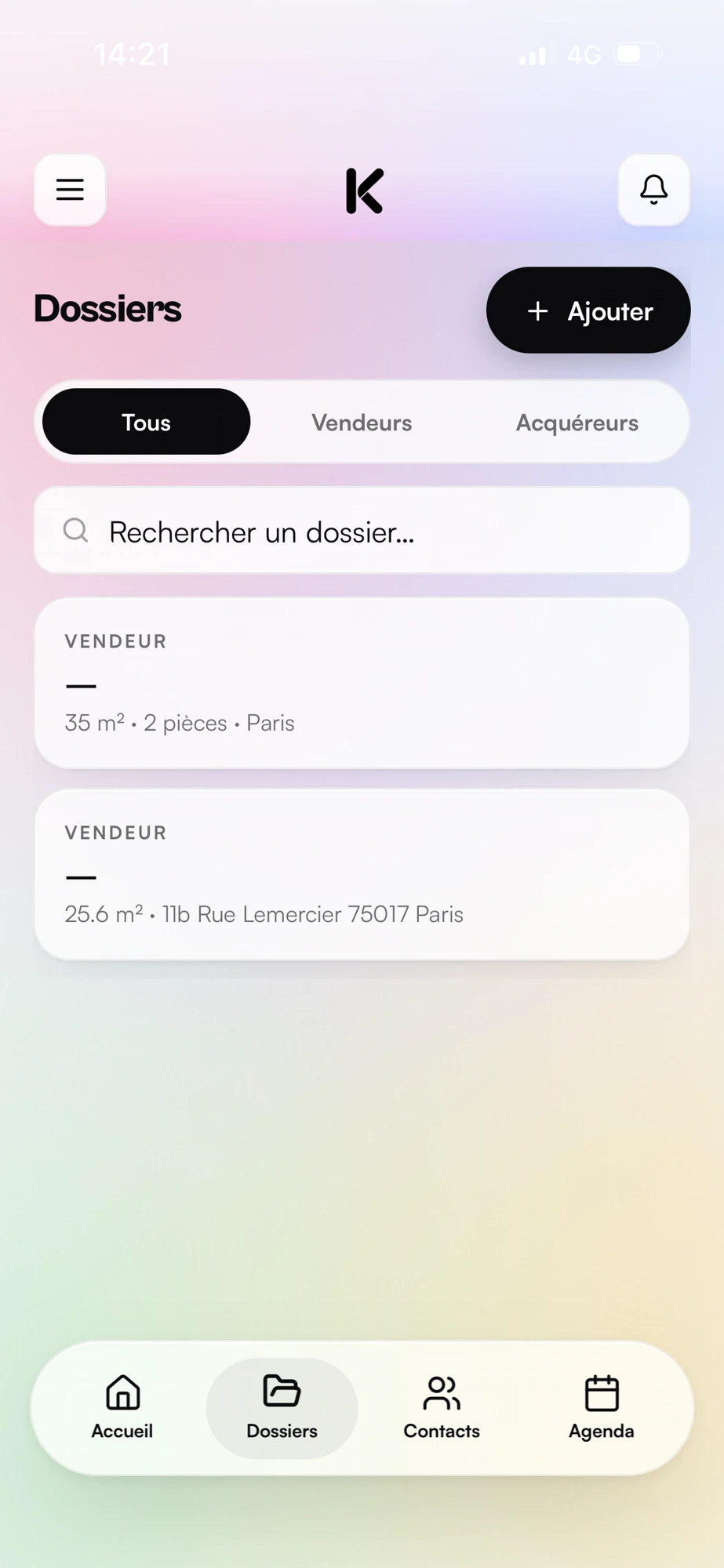
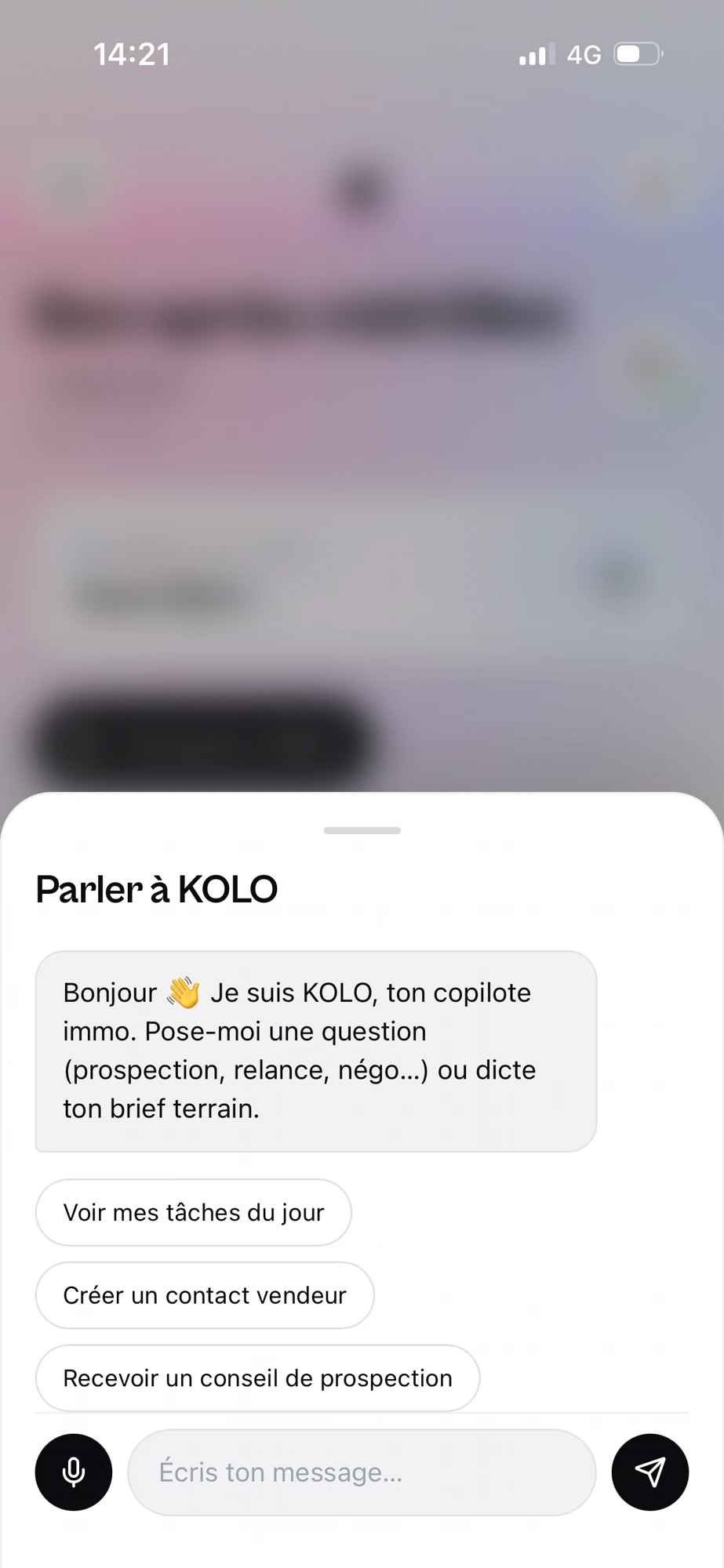
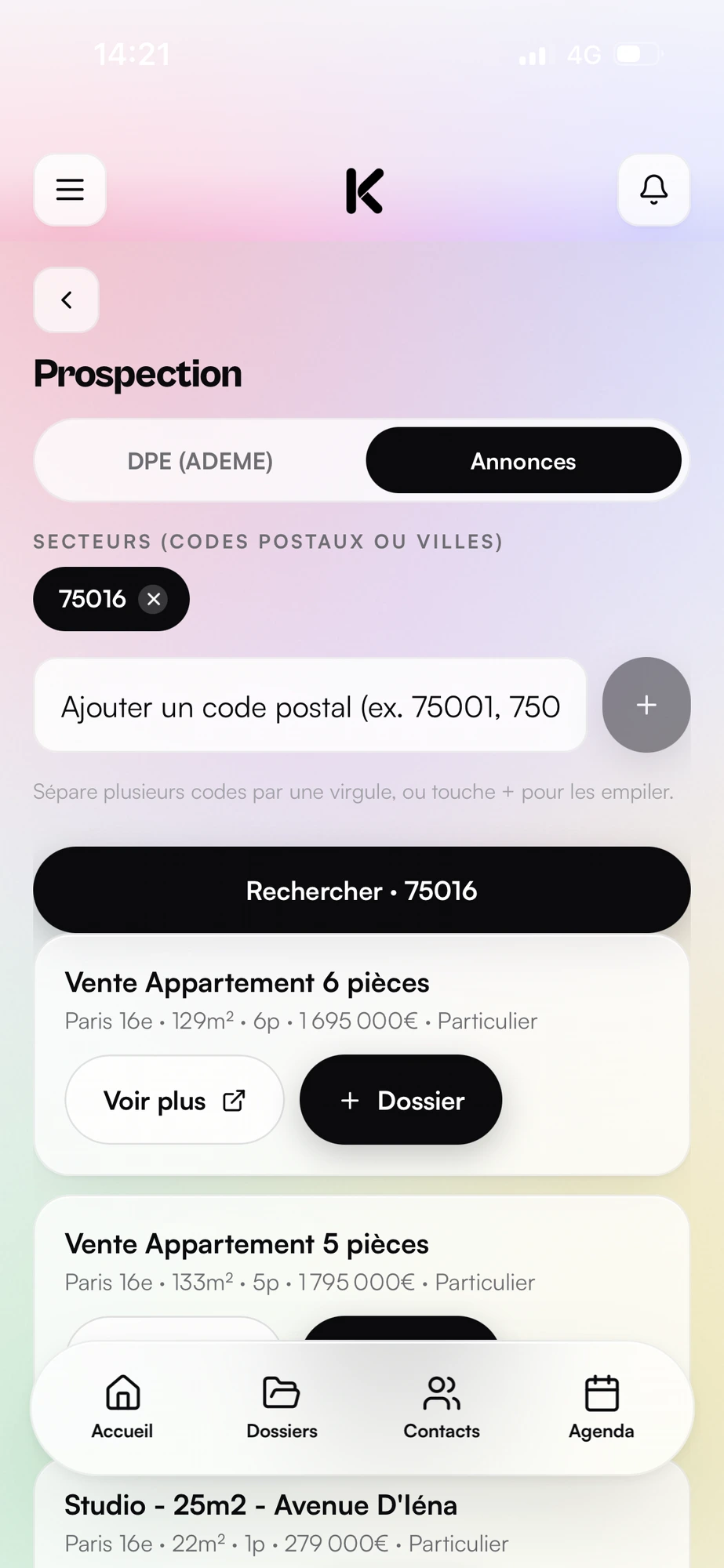
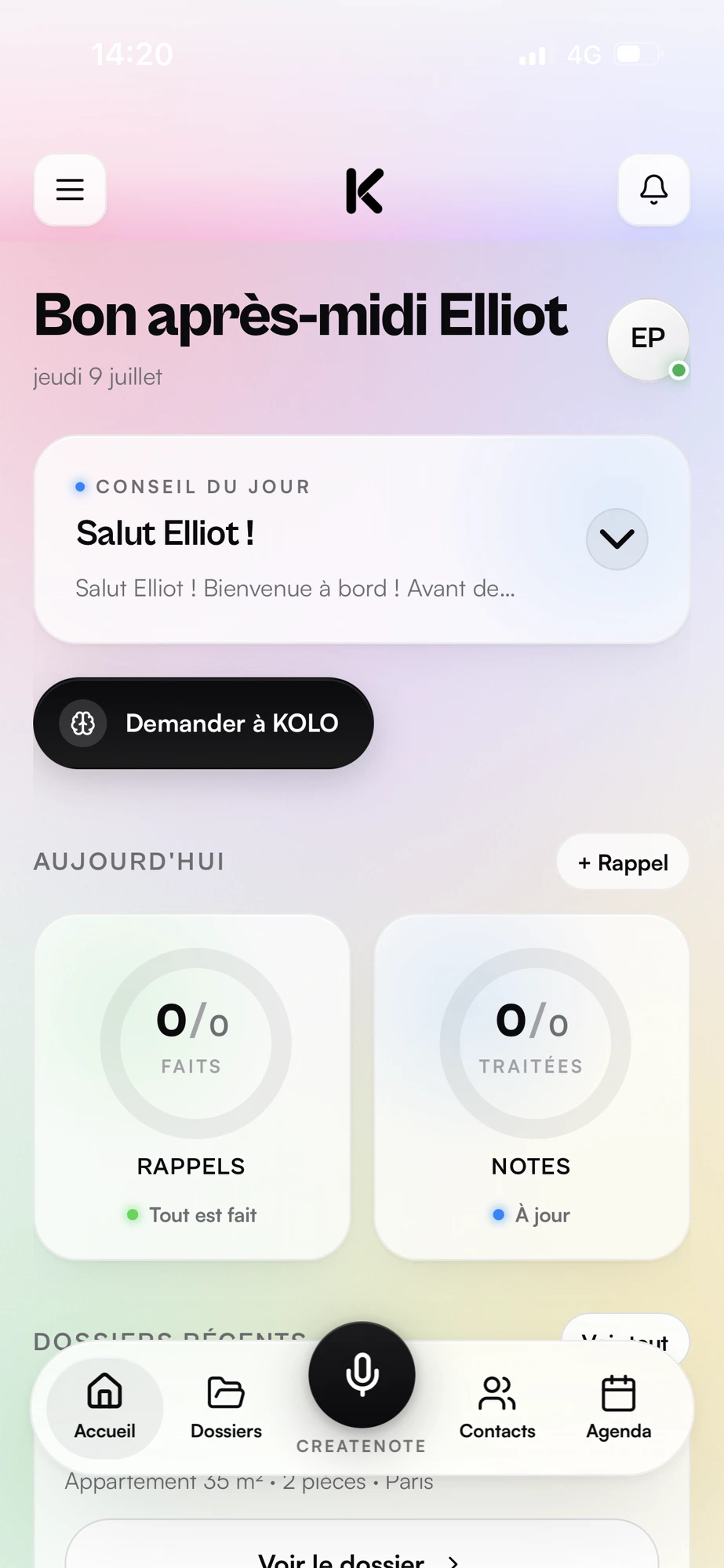
Where most CRMs require your reps to remember to follow up, KOLO flips the logic: the AI monitors inactivity on each prospect and pushes — straight into the rep's mobile — the right action at the right moment. No spreadsheet. No manual task. Just a smart reminder, at the optimal time, with a recommended channel and a pre-drafted message adapted to context.

Observed result with our pilot clients: +34% reply rate on follow-ups and +22% conversion rate in 90 days.

Key takeaways

  • Follow-up is where 80% of deals are won — not the first meeting
  • Aim for 6 to 8 touches orchestrated over 30 to 90 days depending on your cycle
  • Every follow-up must add new value, never just 'checking in'
  • Without a tool, your team inevitably loses 30 to 50% of its conversion potential
Ready to act?

Adopt KOLO in your company.

Book a personalized demo. Our team will help you roll out KOLO across your entire sales force.

Contact the KOLO team
© 2026 KOLO — trykolo.io